

Northern Nigeria was not built merely by politicians seeking office. It was shaped by leaders who understood power as a sacred responsibility, public service as a moral obligation and leadership as a platform for advancing the collective welfare of the people.
From Sultan Sir Abubakar III of Sokoto to Sir Ahmadu Bello, the Sardauna of Sokoto, and Sir Abubakar Tafawa Balewa, Nigeria’s first Prime Minister, the North once produced leaders whose authority rested not only on their positions but also on their restraint, discipline, humility and commitment to institution-building.
These founding leaders were not perfect. They operated within the limitations and political realities of their time. Nevertheless, they represented a tradition of leadership that placed responsibility above personal ambition, consultation above political arrogance and service above public display.
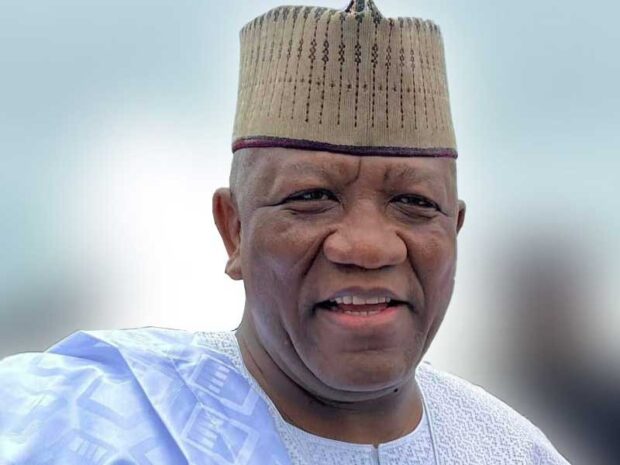
At a time when Northern Nigeria is searching for a new generation of leaders capable of rebuilding unity, restoring confidence and articulating a coherent development agenda, Senator Abdulaziz Abubakar Yari deserves serious consideration within this historical tradition.
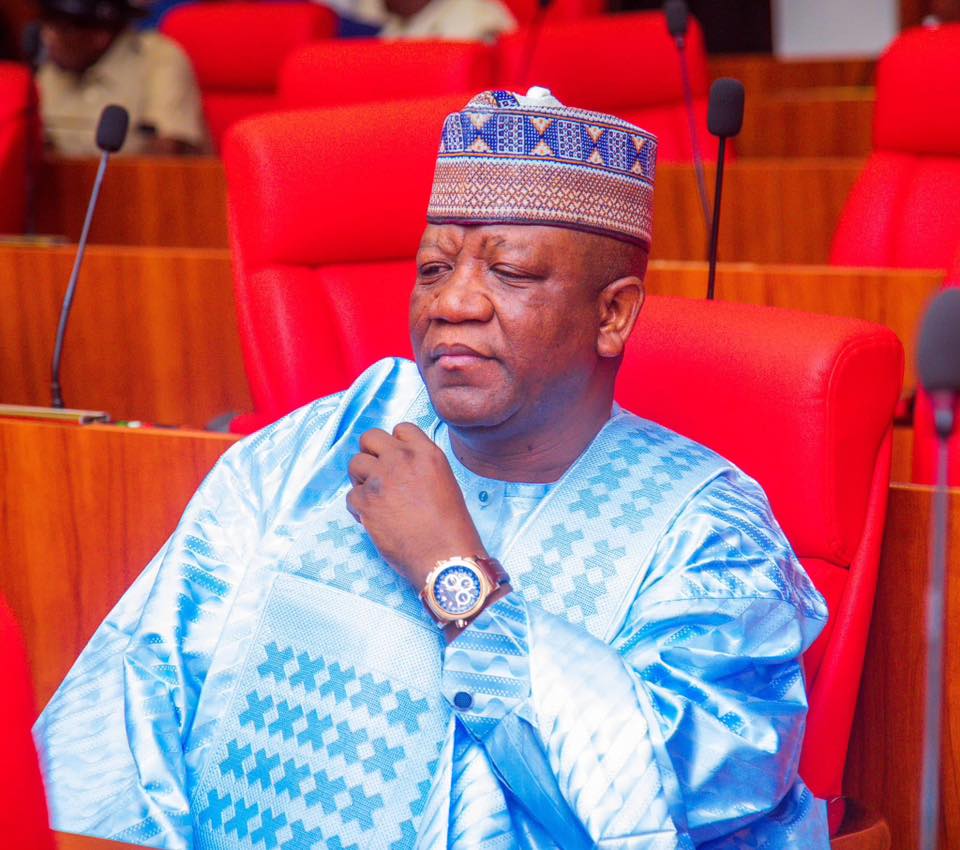
Sen. Yari currently represents Zamfara West Senatorial District in the National Assembly. Before entering the Senate, he served as Governor of Zamfara State from 2011 to 2019 and as Chairman of the Nigeria Governors’ Forum. His political journey has therefore passed through party administration, legislative politics, state executive leadership, intergovernmental coordination and national parliamentary representation.
This breadth of experience is important because the founding fathers of Northern Nigeria were not accidental leaders. They were individuals formed through years of political organisation, community engagement, negotiation and administrative responsibility.
Like the Northern founding fathers, Senator Yari has demonstrated political endurance. His career has survived electoral contests, internal party disagreements, changing alliances and intense national scrutiny. Yet rather than withdraw from public life after completing two terms as governor, he remained active in national politics and successfully moved into the Senate in 2023.
His contest for the Senate presidency was particularly instructive. Despite the considerable political forces aligned against him, Yari secured 46 votes against Senator Godswill Akpabio’s 63. Although he did not win, the result demonstrated that he possessed a substantial network of support across party, regional and political lines.
More importantly, he accepted the outcome and continued to participate in the work of the Senate. That response reflected institutional discipline. In a political environment where unsuccessful aspirants sometimes undermine the institutions they sought to lead, accepting defeat and continuing to serve is an important leadership quality.
The example recalls the political accommodation that characterized the relationship among Sultan Abubakar III, Ahmadu Bello and Tafawa Balewa. Their generation understood that leadership could be distributed. One person did not need to occupy every office or control every institution before contributing meaningfully to society.
Sen. Yari’s political network is also one of his strongest assets. Having served as governor, Chairman of the Nigeria Governors’ Forum and now senator, he has developed relationships across the country. Such networks are essential for any leader seeking to articulate the interests of Northern Nigeria without isolating the region from the rest of the federation.
The North today requires leaders who can defend its legitimate concerns while building bridges across ethnic, religious and regional boundaries. Its challenges – poverty, insecurity, unemployment, out-of-school children, agricultural decline and weak infrastructure, cannot be addressed through emotional rhetoric alone. They require political access, institutional competence and the capacity to negotiate sustainable national solutions. His connection to the grassroots also places him within an important Northern leadership tradition. Historically, the legitimacy of leaders such as the Sardauna rested on their ability to communicate with traditional rulers, religious leaders, farmers, traders, civil servants and local communities.
Distinguished Senator Yari has cultivated a reputation for maintaining political relationships beyond election periods and supporting individuals and communities through educational, humanitarian and social interventions. However, the greater test before him is to transform personal assistance into a broader institutional vision for Northern development.
This is where the example of Ahmadu Bello becomes especially relevant. The Sardauna did not limit leadership to generosity. He built institutions. His era became associated with investments in education, broadcasting, agriculture, finance, public administration and regional development.
As Chairman of the Senate Committee on Water Resources, Sen Yari occupies a position with direct relevance to Northern Nigeria’s future. Water access, irrigation, livestock development, food production, climate resilience and rural livelihoods are central to the survival and prosperity of millions of people across the region. His legislative responsibility therefore provides an opportunity to connect political leadership with measurable development outcomes.
Senator Yari is widely known for his extensive philanthropic and humanitarian interventions. His charitable efforts span from providing scholarship, food distribution, healthcare and victim support across Northern Nigeria. On Insecurity, Senator Yari has frequently decried the devastating banditry and kidnappings ravaging Northern Nigeria and have severally called for an all-inclusive holistic approach toward addressing the menace, further more he continue to support victims of conflict and displaced communities, providing critical financial and material relief to victims of banditry and regional violence.
In Talatu Mafara Local Government, his immediate constituency, his younger brother Hon Yahaya Abubakar Yari who serves as the Talata Mafara local government chairman in Zamfara State continues to exemplify the ideals of Sen Yari, gaining attention for his development initiatives, his prominent and emotional voice regarding the ongoing banditry and security crisis affecting his area continues to draw attention toward finding a lasting solution to insecurity in northern Nigeria as he frequently visits affected towns and has openly wept while lamenting the loss of innocent lives in his jurisdiction, urging state and federal authorities to provide more robust protection for his people. Beyond Zamfara, Sen Yari continues to make significant contributions to broader regional development, including a notable N1 billion donation to the Arewa Consultative Forum and providing welfare packages for Christian faithful during Christmas celebrations.
Today, Northern Nigeria requires leaders who can rise above factional politics, ethnic suspicion and narrow personal competition. It needs leaders capable of convening governors, legislators, traditional institutions, business leaders, academics, women, young people and civil society around a practical development agenda. Senator Abdulaziz Yari has the experience, political reach, resilience and grassroots connection to play a major role in that process. But history does not confer greatness automatically. It demands discipline, sacrifice and the willingness to place collective progress above personal advancement.
The standard established by Sultan Abubakar III, Sir Ahmadu Bello and Sir Abubakar Tafawa Balewa remain demanding. It is a standard of humility in power, loyalty to the people, respect for institutions, political accommodation and commitment to development. This standards are embedded in Sen Yari, a bridge builder, philanthropist and Grassroot leaders.
Abdulkareem Alhaji Tijani
National Convener
Northern Alliance for Credible Leadership
